Keynote, Invited and Guest Speakers for 2026
The BAD Conference & Events Committee is extremely grateful to the contribution of the Keynote, Invited and Guest lecturers that attend the BAD Annual Meeting speaking in the Plenary and concurrent sessions. Some are familiar BAD Members, whilst others are from outside both the association and the specialty. All offer an invaluable educational benefit to our members and we are very thankful.
Details will appear here shortly on the Keynote and Invited Lecturers for the 2026 Annual Meeting.
Tuesday 30 June – Plenary Speakers
 Stella brings over 30 years of NHS experience, with a career spanning clinical practice, strategic leadership, and system-wide transformation. As a consultant in vascular and general surgery at Croydon University Hospital since 2006, she has consistently driven service improvement and operational excellence.
In her national roles as Deputy National Medical Director for Secondary Care and Quality, and National Clinical Director for Elective Care at NHS England, Stella leads initiatives to improve patient safety, streamline elective care, and enhance clinical pathways through data-driven decision-making.
Most recently, Stella serves as Joint Chief Clinical Transformation Officer at Southwest London ICB, shaping long-term clinical strategy and optimising service delivery. Stella also continues to champion the Croydon Elective Centre, ensuring continuity of planned care even during peak demand.
Across all her roles, Stella is recognised for her collaborative leadership and ability to deliver scalable, impactful improvements in healthcare quality and efficiency.
 Giuseppe Argenziano is Full Professor and Head of the Dermatology Unit at the University of Campania, Naples, Italy; Editor-in-Chief of Dermatology Practical and Conceptual Journal; Co-founder and past president of the International Dermoscopy Society; Co-founder of the Italian Federation of Dermatological Societies; and past president of the Italian Society of Dermatology.
His main research field is dermato-oncology, being author of numerous scientific articles and books concerning dermoscopy, melanoma and non-melanoma skin cancer. As coordinator of the Melanoma Unit at the Campania University, he has established a successful tertiary, multidisciplinary, referral center particularly devoted to the diagnosis and management of patients with skin cancer.
Over the past 30 years he has supervised over 500 foreign and Italian residents in Dermatology, established scientific collaborations with 1500+ colleagues from more than 50 Nations, and organized more than 500 national and international didactic meetings, courses and conferences.
Professor Argenziano has authored more than 950 full scientific articles and produced landmark primary publications and books in the field of skin cancer and dermoscopy. Over the past 30 years he has been invited as speaker and/or chairman in more than 1000 national and international conferences in the field of dermatology. His combined publications have received a sum total of 28.000+ citations with an h-index value of 81 (Scopus 2025).
 Natalie Stone BA hons (Oxon) FRCP has been a Dermatology Consultant at Aneurin Bevan University Healthboard (ABUHB) in Newport, Wales since 2001. She was previously the ABUHB dermatology clinical director for over 10 years. Her specialist clinical interests are inflammatory dermatoses, allergic contact dermatitis and vulval dermatoses. She is President of the British Society for Cutaneous Allergy and chair of the Welsh Dermatology Clinical Implementation Network.
 Dr Rubeta Matin PhD FRCP [Derm] is a Consultant Dermatologist at Oxford University Hospitals NHS Foundation Trust and Honorary Senior Lecturer at University of Oxford since 2015.
She is an academic dermatologist and a nationally recognised skin cancer leader having published >130 peer reviewed publications. At Oxford she is currently Dermatology Skin Cancer Research Lead actively delivering national and international clinical research/trials.
She holds a number of national leadership roles including Chair of the British Association of Dermatologists Artificial Intelligence (AI) Working Party Group and is co-founder of the UK AI Skin Consortium. She is specialist member of the MHRA Interim Medical Devices and Software and AI Expert Advisory Groups and is a Responsible AI Champion (https://rai.ac.uk/ai-champions/). She is also a member of the WHO Focus Group on AI for Health (FG-AI4H) developing standardised benchmarking of AI-based technologies for health and member of OxCAIRES https://www.oxcaires.com/index.html focused on exploring human-AI collaboration.
 Paola Pasquali is a dermatologist based in Spain, specialising in noninvasive imaging techniques and minimally invasive treatments for keratinocyte carcinoma management. She is internationally recognised for her expertise in cryosurgery, a technique she has been teaching for over 30 years. Additionally, she has extensive experience in imaging modalities like high-frequency ultrasound and Teledermatology, having actively contributed to its development and education. Dr. Pasquali served as the past President of the International Society of Teledermatology and organised two world conferences on Teledermatology (Barcelona 2014 and Houston 2018). She has lectured extensively across more than 50 countries and has contributed to scholarly publications as an editor, book chapter author, and journal article author.
Main areas of interest: Non-Invasive Imaging Techniques including Medical Photography, Teledermatology, High frequency ultrasound; Minimally and non-invasive treatments for skin cancer including Cryosurgery
 John O’Driscoll was educated at Stonyhurst College Lancashire. He qualified in medicine from Westminster Hospital Medical School and trained in general medicine in London and in Manchester – awarded Fellowship of the Royal College of Physicians (London) in 1998. John trained in dermatology in Manchester and was appointed as Consultant Dermatologist at Salford Royal Hospital in 1993.
He was Chairman of the Greater Manchester and Cheshire Skin Cancer Network from 2006 -13 and Clinical Director of Manchester and Salford Dermatology from 2008-13.
John played club rugby with London Irish whom he captained from 1979 – 81 leading them to the John Player Cup final in 1980. On the international stage he was capped 26 times for Ireland between 1978 and 1984. He also toured with the British and Irish Lions in 1980 and 1983 playing in 19 games including six test matches. John was named as Irish Sportsman of the year in 1980.
He was the Irish Rugby Football Union representative to World Rugby and Rugby Europe from 2016 to 2025. He is currently the President of the Irish Rugby Football Union for the year 2025/26.
Wednesday 1 July – Plenary Speakers
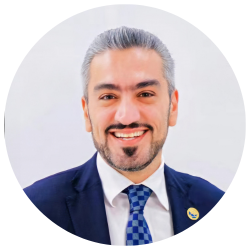 An American board certified graduate of the Boston University/Tufts University dermatology program in the USA, Dr. Galadari completed a dermatologic surgery and laser fellowship in the University of California-San Francisco and is currently a fellow of the American Academy of Dermatology. He is a member of numerous committees in many international societies and held executive positions as the Secretary General of the International League of Dermatological Societies as well as the International Society of Dermatology and the Chairman of the Asian Dermatology Association. He is currently the President of Dubai’s bid to host the World Congress of Dermatology in 2031.
He is currently an Associate Professor of Dermatology at the College of Medicine and Health Sciences of United Arab Emirates University (UAEU) with a main area of interest is cosmetic dermatology, particularly the field of soft tissue augmentation. He has lectured in numerous international congresses, published in many peer reviewed journals, authored book chapters as well as a best-selling book, Soft Tissue Augmentation: Principles and Practice, which was translated into Turkish, Spanish, and Portuguese.
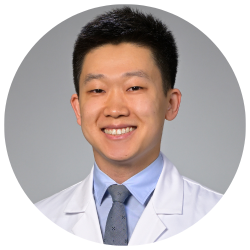 Dr Zhang is an assistant professor of clinical dermatology at the Hospital of University of Pennsylvania.
He received his Bachelor of Science from Duke University, and then completed medical school, dermatology residency, and a procedural dermatology fellowship at the University of Pennsylvania.
Dr Zhang has a strong interest in clinical anatomy as it pertains to the removal of cutaneous malignancies using Mohs micrographic surgery, the correlation of histoanatomy to intraoperative clinical anatomy, and leveraging cutaneous anatomy in the surgical reconstruction of the skin.
 Dr Nirusha Lachman PhD is Professor of Anatomy and Chair of the Department of Clinical Anatomy, Professor of Medical Education and Joint Appointee in the Department of Surgery, Division of Plastic Surgery at Mayo Clinic. Her primary focus lies in integrating clinical anatomy education for everyday practice, and she is one of few clinical anatomists in the world who works collaboratively on a daily basis with clinicians in a practice-based setting. In her 32-year career as a clinical anatomist, Dr. Lachman has contributed >130 scientific publications in peer reviewed journals, 20 book chapters, extensive list of abstract publications, national and international presentations. Dr. Lachman’s main educational focus is on creating authentic high yield anatomical knowledge content and curricula for clinical specialty specific anatomy using minimally disruptive layered fresh tissue dissection, peer-reviewed literature and high definition immersive learning tools. In addition to her numerous accolades, Dr Lachman is the recipient of the Mayo Clinic Distinguished Educator Award, Legacy Level Member of the Mayo Clinic Academy for Teaching Excellence, Outstanding Physician Scientist Award from Mayo Clinic School of Health Sciences and the Distinguished Service Award from the American College of Mohs Surgery. Dr Lachman is currently leading Mayo Clinic institutional efforts in creating Agentic AI solutions in point-of- care Clinical Anatomy for optimizing patient care.
 Zoe Venables is a Consultant Dermatologist Clinical Associate Professor in Norwich and dermatology clinical lead at the National Disease Registration Service (NDRS). She studied medicine at Edinburgh University and completed her PhD in skin cancer epidemiology at Erasmus Medical Center in 2024. She chairs the BAD National Audit Committee and Chaired the BAD-NDRS partnership from 2020-2025. Research highlights include the first national report on basal cell carcinoma and cutaneous squamous cell carcinoma (cSCC) epidemiology in the UK, developing a risk prediction tool for cSCC metastasis and understanding variation in skin cancer service provision.
 Chris Griffiths is Emeritus Professor of Dermatology, University of Manchester, Adjunct Professor, King’s College London and a Consultant Dermatologist, King’s College Hospital. He qualified in medicine from St Thomas’ Hospital Medical School and trained in dermatology in London and Michigan. In 1994, Chris was appointed to the Foundation Chair in Dermatology at the University of Manchester and established the Manchester Dermatopharmacology Unit and the Manchester Psoriasis Service. He has received many awards for his work including OBE “for services to dermatology” in the 2018 Queen’s New Year’s Honours.
Chris is a former President of the European Society for Dermatological Research, the European Dermatology Forum, the British Association of Dermatologists and the International Psoriasis Council, which he co-founded in 2004. He is Editor-in-Chief of Rook’s Textbook of Dermatology, author of 840 scientific papers and the 3rd most cited dermatologist in the world.
Chris has a career-long interest in all aspects of psoriasis and was part of the team that showed the disease is immune-mediated; his current research includes a drive to cure psoriasis using early intervention and cell-based therapeutics. He is active in global health initiatives which include Director of the Global Psoriasis Atlas and Co-founder of the Burma Skincare Initiative charity.
 Ruth completed her undergraduate training at Edinburgh University along with her medical training and MRCP. She undertook her Dermatology training in Glasgow before undertaking the post CCT Medical Dermatology Fellowship at St John’s Institute of Dermatology in 2013.
Her interests include severe inflammatory skin disease and she continues to work as a Consultant in the Hidradenitis Suppurativa clinic at St John’s Institute of Dermatology weekly and leads the Biologics Service at St George’s Hospital in London. She is PI on several studies including HS commercial trials. She became President for the British Society of Medical Dermatology in January 2025.
 Professor Carsten Flohr holds the Chair in Dermatology and Population Health Science at St John’s Institute of Dermatology, King’s College London. He is also Consultant Dermatologist and R&D Lead at Guy’s & St Thomas’ NHS Foundation Trust.
He studied at Cambridge and Oxford, and trained in paediatrics and dermatology.
He was the first UK National Institute for Health Research (NIHR) Clinician Scientist in Dermatology (2009–2014) and the first UK dermatologist awarded an NIHR Career Development Fellowship (2014–2019).
His research focuses on atopic dermatitis (AD), including early-life prevention, the microbiome, links to food allergies via transcutaneous sensitisation, and treatments for severe AD.
He co-led the landmark EAT trial and was Chief Investigator of the TREAT trial. He leads the UK-Irish A-STAR registry and coordinates an EU-funded project on food allergy development through the skin. He also directs the Global Atopic Dermatitis Atlas (GADA).
Prof Flohr is a Founding Director of the International Eczema Council, Past President of the British Society of Paediatric Dermatology, and an Honorary Member of the French Society of Dermatology.
He has published in NEJM, The Lancet, and Nature, and is Section Editor of the British Journal of Dermatology.
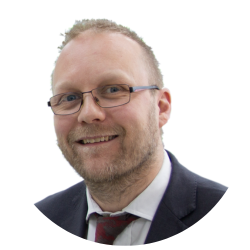 Dr Matthew Harries received his medical degree from the University of Leeds, UK (1998). During specialist dermatology training he took time out of programme to study the hair immune system in primary cicatricial alopecias. He was awarded a PhD from the University of Manchester in 2011. He now works as a Clinical Senior Lecturer at the University of Manchester and an Honorary Consultant Dermatologist at Salford Royal Hospital. He is a Fellow of the Royal College of Physicians in London. He is the co-lead of the NIHR Manchester BRC inflammatory hair diseases research programme and is a member of the British Skin Foundation charity large grant awards committee. He is currently leading the BAD living guidelines for management of people with alopecia areata and was the lead author for the acquired hair disorders chapter in the 10th Edition Rook Textbook of Dermatology.
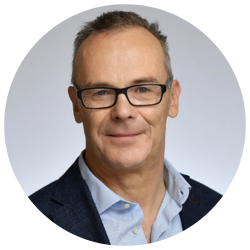 Nick Reynolds is Professor of Dermatology at Newcastle University and Honorary Consultant Dermatologist at the Royal Victoria Infirmary in Newcastle upon Tyne. He qualified in medicine from the University of London and undertook dermatology and research training in Bristol, Ann Arbor (Michigan) and Newcastle.
His clinical work and research focuses on inflammatory skin disease, therapeutics and precision medicine, integrating computational modelling and artificial intelligence with experimental and clinical investigation. He has led investigator-initiated clinical trials in atopic eczema that have contributed to national treatment guidance, including a 2006 Lancet study of pharmacogenetic-guided dosing—among the earlier personalised medicine trials in dermatology.
Nick has been closely involved in fostering collaborative research networks. He served as inaugural Chair of UK TREND (Translational Research Network in Dermatology), past Chair of the BSID, and past President of the ESDR and European Dermatology Forum. In Newcastle, he previously directed the MRC/EPSRC Molecular Pathology Node and now co-leads the Skin and Oral Disease theme within the NIHR Newcastle Biomedical Research Centre. He has also contributed from inception to national real-world registries including BADBIR and A-STAR.
Throughout his career, he has supported mentorship and meaningful patient involvement in research. His honours include the Michael Fuell, Rudi Cormane and Eugene M. Farber Lectureships, the Arthur Rook Oration, Honorary Membership of the ESDR and two appointments as NIHR Senior Investigator.
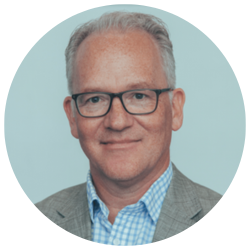 Professor Michael Ardern Jones is Chair of Dermatology at the University of Southampton. He is also an honorary Consultant Dermatologist at University Hospitals Southampton NHS Foundation Trust.
Michael studied in London and Oxford and trained in Dermatology. He has a specific academic interest in inflammatory skin disease and leads the clinical service and research programme for eczema, skin allergy and drug hypersensitivity reactions. His basic science laboratory and clinical trial research facility are based at Southampton General Hospital.
He is chair of the UK-Irish A-STAR registry and is regularly consulted by NICE and industry as an expert in atopic dermatitis. He has significant regulatory experience and was the dermatologist to the MHRA 2015-2025.
Michael is former Vice President of the British Association of Dermatologists (Academic), Chair of the British Society for Investigative Dermatology, President and founder member of the British Society for Medical Dermatology, chair of The Skin Investigation Society. He has had many invitations to give keynote lectures at high profile international Scientific Congresses including the American Academy of Asthma, Allergy and Immunology, the American and European Contact Dermatitis Society, and the European Academy of Dermato-Venereology, as well as the Thornton-Ingram Lectureship at the Royal College of Physicians.
He has published in NEJM, BMJ, all top dermatology journals, and many related disciplines including the top downloaded paper in Allergy in 2018.
Thursday 2 July – Plenary Speakers
 Prof Ncoza Dlova, is the Head of Dermatology, Full Professor and the immediate past Dean of the School of Clinical Medicine (SCM), UKZN, Durban,South Africa.
She has many accolades and leadership awards behind her name and is the first African Medical School Dean in the 73yrs of the school.
She is a well published dermatologist with an interest in Ethnic skin and Hair , Global Health , and Medical Education. She has more than 135 scientific publications, and is a “B” National Research Foundation( NRF) rated researcher, which speaks to her impactful research which is recognised both locally and internationally.
She is a member of numerous international dermatology boards and societies and has numerous awards to her name. She has been invited as guest speaker in numerous countries, and is a member of the prestigious American Dermatology Association (ADA) and Recipient of the Maria Duran award from the International Society of Dermatology (ISD). She is the board member of the International League of Dermatology Society (ILDS) and represents Africa as the first fully elected African representative in the 89yrs since it was established .In 2022 she received the excellence award for bridging relationships between the university and society. In 2023 she received the Living Legends award for her Extraordinary contribution to UKZN and devotion to humanity
Recently in 2024 she has been awarded:
- Gold Award by the South African Medical Research Council(SAMRC ) for her excellent contribution to research in SA.
- “Fellowship in arts and sciences award “from the South African medical association(SAMA) for her sterling contribution to health and research in SA.
- Award as innovator and leader in SCM Dec 2024,
- KZN MCC Momentum Life Time Achievement 2025
 Hywel trained in dermatology and epidemiology in King’s College and St John’s Dermatology Centre in London. There, he developed diagnostic criteria for eczema that are now the most widely used in the world. Hywel joined the University of Nottingham in 1994 where he also worked as a consultant paediatric dermatologist until 2023, specialising in eczema. He started the Cochrane Skin Group in 1996, the UK Dermatology Clinical Trials Network in 2002, and the Harmonising Outcome Measure for Eczema (HOME) in 2008. He now co-directs the Centre of Evidence-Based Dermatology with Prof Kim Thomas. He is the second most cited clinical dermatologist globally on Google Scholar with over 188,000 citations and over 650 peer-reviewed publications. Outside of dermatology, Hywel directed the NIHR Health Technology Assessment Programme from 2016 to 2020 and was senior advisor to the Department of Health for COVID-19 research oversight from 2020-2021. Hywel has had atopic eczema all his life and cares passionately about research that is relevant to patients, and is a champion of patient and public involvement in research. Hywel is a proud holder of the Sir Archibald Gray medal, an NIHR senior investigator emeritus and fellow of the Academy of Medical Sciences. He received awarded an OBE in the Queen’s birthday honours in 2021 for his services to higher education and medical research.
 Professor Hiva Fassihi is Head of the Photodermatology Unit and the National Xeroderma Pigmentosum Service at St John’s Institute of Dermatology, Guy’s and St Thomas’ Hospital in London.
As Honorary Professor of Photodermatology at King’s College London, she has published widely on different aspects of photodermatology, DNA repair disorders and photoprotection.
Nationally, she has been the Chair of the British Photodermatology Group driving national guidelines for the management of photodermatology patients. She has also been involved in the 2025 All-Party Parliamentary Group for Beauty and Wellbeing’s inquiry into UV safety.
She has achieved an array of awards including the BMJ Dermatology Team of the Year Award.
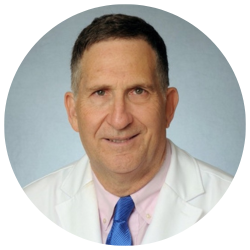 Gil Yosipovitch, MD is a tenured Professor and Stiefel endowed Chair of Medical Dermatology at the Dr Phillip Frost Department of Dermatology at the Miller School of Medicine at University of Miami. He is the Director of the Miami Itch Center, which focuses on chronic itch as a disease state. Prior to joining the faculty of University of Miami, Dr. Yosipovitch was Founding Chair the Department of Dermatology at Temple University and directed the first translational, clinical and research center dedicated to the study of chronic itch in the US. He has published more than 800 articles in books and peer reviewed journals and has edited 6 books with total citations in google scholar of 37500 and H index of 98. He is the founder and past President of the International Forum for the Study of Itch and member of its board. He served as Chairman of the Scientific Board of the National Eczema Association and member of the Scientific Board of The National Psoriasis Foundation and IEC. He serves on the editorial boards of 9 key specialty journals and is Section editor of Journal of Investigative Dermatology. In addition, he received one of the highest awards in dermatology, the Marion B. Sulzberger lectureship award, at the 2016 AAD meeting for his work on itch. Dr. Yosipovitch has given more than 500 invited lectures to dermatology groups and organizations around the world and has mentored more than 40 fellows, PhD students and post-Doc fellows.
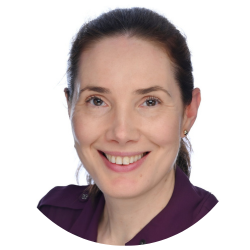 Dr Rachel Abbott is a Consultant Dermatologist and Mohs surgeon at the University Hospital of Wales in Cardiff.
She is Chief Investigator of the NIHR funded EXCISE trial – investigating the use of antibiotics in skin cancer surgery – and on Trial Management Groups for the HEALS2, SCC-AFTER and SPOT-IT trials. She is also Chair of the UKDCTN Trial Prioritisation Panel.
She has collaborated with Dr Julie Peconi at Swansea University on the ‘Sunproofed’ and ‘SunChat’ studies and with Dr Angela Rodrigues at Northumbria University on a study exploring young adults’ views on alternatives to sunbed use.
She was Chair of the British Association of Dermatologists Working Party on Sustainability (2022-2024) and she co-authored the British Society of Dermatological Surgery Sustainability Guidance.
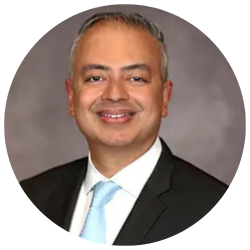 Prof. Seemal R. Desai is a board-certified dermatologist, Founder and Medical Director of Innovative Dermatology, and Clinical Associate Professor of Dermatology at The University of Texas Southwestern Medical Center. He is widely recognized around the world for his expertise in vitiligo, pigmentary disorders, psoriasis, acne, skin of color, cosmeceuticals, and emerging dermatologic therapies. He has authored hundreds of publications and delivered more than 200 lectures nationally and internationally.
Dr. Desai recently completed his term as President of the American Academy of Dermatology and is the youngest dermatologist ever elected to that role. In 2025, he began his term as President of the Global Vitiligo Foundation. He is also a Past President of the Skin of Color Society, the Texas Dermatological Society, and the Dallas/Fort Worth Dermatological Society.
He currently serves on the Boards of Directors of the International Society of Dermatology, the Global Vitiligo Foundation, and SkinPAC. Dr. Desai was appointed in 2017 and reappointed in 2021 to the U.S. Food & Drug Administration Pharmacy Compounding Advisory Committee, where he serves as the only dermatologist on the federal committee. He also serves as Associate Editor for the Journal of Clinical & Aesthetic Dermatology and Pigment International and remains deeply committed to education, mentorship, advocacy, and advancing the specialty of dermatology.
Tuesday 30 June – Special Interest Group & Concurrent Sessions
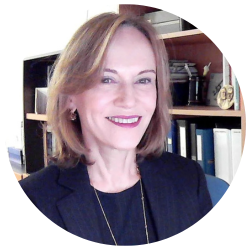 Joint BAD/BSD Neil Smith Lecture
Prof Maria Teresa Fernández Figueras
Head of the Transversal Service of Pathological Anatomy. Hopsital Universitari General de Catalunya, Hospital Universitari Sagrat Cor, Hospital Quironsalud del Vallès (Barcelona, Spain)
Associate Professor and Head of the Histology and Pathological Anatomy area. Universitat Internacional de Catalunya (Barcelona, Spain)
Indexed publications in Pubmed (Nov, 2025) como Fernandez Figueras: 238
https://scholar.google.com/citations?user=H70PqikAAAAJ&hl=en
(consultado el 12 de marzo del 2025)
- Citations: 78071 (since 2020: 3151)
- h-index: 46 (since 2020: 26)
- i10-index i10: 125 (since 2020: 78)
SCIENTIFIC ACTIVITIES
- Lectures: (national and international): more than 300.
- Organization of courses and congresses: more than 70 including the XXXI Symposium of the International Society of Dermatopathology (Barcelona. October, 2010), International DermPath&Co basic and advanced courses (6 editions) and the Dermatopathology courses of the European Academy of Dermatology and Venereology online (2020) and face-to-face (2021 and 2023).
- Member of the editorial committee: American Journal of Dermatopathology (up to 2025), Dermatopathology, Actas Dermosifiliográficas.
- Scientific committees: Former member of the Internal Scientific Committee of the Germans Trias i Pujol University Hospital (up to 2016) and external scientific committee of the Vall d’Hebron-Research Institute (VHIR) Hospital Barcelona (2012 to 2015)
- Member of the accreditation service of the Catalan Service for Continuing Education of the Health Professions
- Ex-Vicepresident of the International Society of Dermatopathology
 Prof Thomas Rustemeyer
Prosser-White Oration
Thomas Rustemeyer is professor of dermato-allergology and occupational dermatology at the Department of Dermatology-Allergology at the Amsterdam University Medical Centers (AUMC), The Netherlands. He is the supervisor of fundamental and translational immunological research. He started his clinical training under supervision of Peter Frosch in Dortmund, Germany, and then moved to Amsterdam for education in fundamental immunology. After gaining his PhD he restarted his dermatological training at AUMC. He joined the department of Derk Bruynzeel and was further trained in dermato-allergology and occupational dermatology. Rustemeyer then later become responsible for this department. He has been active in supervising patient’s care and research addressing fundamental immunological as well translational research topics. He is involved in patients’ care and research related to dental materials and oral cavity problems. He is [co-)author of over 300 publications and editor of different textbooks, and is a member and/or chairperson of various national and international societies active in dermato-allergology, immunology and occupational health, including governmental and regulatory affairs.
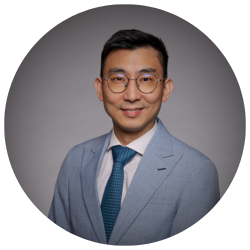 Dr Zenas Yiu is a Clinical Senior Lecturer in Dermatology and Pharmacoepidemiology and MRC Clinician Scientist.
His research interests lie in Pharmacoepidemiology and Evidence-Based Dermatology, and he takes a particular interest in the evaluation of the safety and effectiveness of novel therapeutics for chronic inflammatory skin conditions. He leads a research group on Dermato-epidemiology and Pharmacoepidemiology studies based at the Centre for Dermatology Research, Manchester.
In 2015, he was awarded an NIHR Doctoral Research Fellowship to pursue his doctorate degree investigating the risk of serious infection in patients with psoriasis on biologic therapies at the University of Manchester. He was awarded the Royal Society of Medicine Dermatology Trainee Research Prize in 2018, and the Royal College of Physicians Turner-Warwick Lectureship for the North West region in 2019 for his doctorate research. He was awarded an MRC Clinician Scientist Fellowship in 2024 to conduct research into better ways of integrating trials and observational studies in immune-mediated inflammatory diseases.
He currently serves as Academic Programme Lead for Dermatology and co-lead for Clinical Therapeutics, Pharmacology and Industry Theme for the Integrated Clinical Academic Training Programme in Manchester. He is also the capacity-building lead for the NIHR Manchester Biomedical Research Council Dermatology theme.
He is a member of the guideline panel for the British Association of Dermatologists’ (BAD) guidelines for biological therapy for Psoriasis and currently chairs the BAD guideline for methotrexate. He sits on the steering committee for three projects by the BAD on psoriasis (BADBIR), keratinocyte cancer (UKKCC), and alopecia areata (UK-GRASS) as well as on the BAD research subcommittee. He is a member on the Grants Advisory Committee for the British Skin Foundation Large Grants. He is the co-deputy chair for the UK Dermatology Clinical Trials Network. Internationally, he sits on the steering committee for the European Dermato-Epidemiology Network. He serves as an editor for Cochrane Skin. In addition, he serves as a committee member for the National Institute of Health and Care Excellence (NICE) Technology Appraisal Committee D to evaluate the cost-effectiveness of medicines for the NHS.
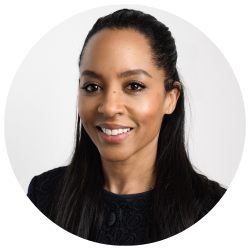 Miss Natasha Berridge is a well-respected and accomplished Consultant Maxillofacial & Facial Plastic Surgeon with a specialist interest in Facial Cosmetic Reconstructive and Gender Affirming Facial Surgery.
Dually qualified in both Medicine & Dentistry, Miss Berridge completed her extensive surgical training and the highly regarded TIG Fellowship in Aesthetic & Reconstructive Surgery at the most prestigious teaching hospitals in London, United Kingdom. As a higher surgical trainee, Miss Berridge also gained her Masters’ Degree in Aesthetic Medicine & Skin Ageing with Merit from the University of Manchester.
Miss Berridge works as an NHS Consultant Oral & Maxillofacial Surgeon in London specialising in the management of craniofacial trauma and facial skin cancer. She is founder and medical director of the consultant led specialist clinic Facesurgerydoc which offers the very latest techniques in both minimally invasive and surgical facial procedures, as well as facial rejuvenation/aesthetics.
In addition to her surgical practice, Miss Berridge is an Honorary Senior Lecturer at the University of Manchester (MSc Skin Ageing & Aesthetic Medicine), specialist advisor to the PMFA journal and Consultant collaborator with pharmaceutical company Galderma and global KOL for Evolus. A highly sought-after speaker and educator, Miss Berridge is well published in multiple scientific journals and regularly presents at both national and international conferences.
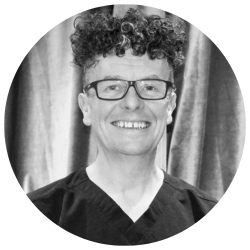 Dr Tim Clayton
Dr Tim Clayton is a Consultant Paediatric Dermatologist at Royal Manchester Children’s Hospital and Consultant Dermatologist at Salford Royal NHS Foundation Trust. He has been a consultant dermatologist since 2007.
He is currently President of the British Society for Paediatric and Adolescent Dermatology (BSPAD) and is actively involved in national service development, education and guideline work within paediatric dermatology.
His principal clinical interests are atopic dermatitis and acne. He authored the neonatal dermatology chapter in Rook’s Textbook of Dermatology and has published more than 50 peer-reviewed manuscripts and articles.
Dr Clayton also has a strong interest in innovation and the application of new technologies to improve dermatology services, including digital pathways and novel models of care for children and young people.
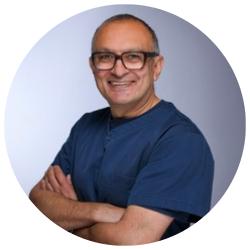 Dr Bav Shergill
Dr Shergill graduated from Guy’s and St Thomas’ Hospitals, London in 1996 and has gained a wide range of general dermatology experience through posts at a variety of London hospitals. After completing his registrar training, he received specialised training in skin cancer surgery and laser surgery at the St John’s Institute of Dermatology and is one of a small number of dermatologists in the country who have received recognised training in Mohs surgery for the treatment of skin cancer.
He joined Brighton General Hospital as a Consultant Dermatologist and Dermatological Surgeon in 2007 and was also the Lead Clinician for Skin Cancer in Sussex.
He has set up an award-winning Mohs surgery unit at Queen Victoria Hospital, East Grinstead and another NHS Unit in Worthing. He is also a past-president of the British Cosmetic Surgery Group.
 Dr Matthew Jones
Matt is a consultant neurologist at the Manchester Centre for Clinical Neurosciences, Salford Royal Hospital. He is an honorary senior lecturer at the University of Manchester.
His clinical interests are general and acute neurology with sub-specialisation in cognitive neurology; he runs a tertiary clinic for early onset and atypical dementia taking referrals from throughout the North West of England and beyond.
His teaching interests lie in both undergraduate and postgraduate education. He is Associate Programme Director of the MBChB in Manchester. He leads the Clinical Reasoning group for the programme, helping undergraduates develop better decision making skills and learn about diagnostic error.
His research interests are in the clinical, genetic and pathological classification of early onset and rarer dementia syndromes. He has also been Principle Investigator for a number of clinical trials in dementia and brain infection.
Wednesday 1 July – Special Interest Group & Concurrent Sessions
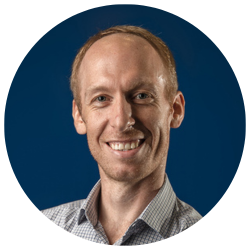 John Common is Professor of Cutaneous Inflammation and Microbiome at Newcastle University and Senior Principal Investigator at A*STAR Skin Research Labs, Singapore. His research focuses on skin barrier biology, the skin microbiome, and inflammatory skin diseases, with a particular interest in understanding how host–microbe interactions contribute to disease pathogenesis and treatment responses.
He obtained his PhD from Queen Mary University of London in 2004 before joining A*STAR, where he established an internationally recognised research programme in skin biology. In 2014, he helped establish the Skin Research Institute of Singapore and subsequently A*STAR Skin Research Labs, where he later served as Deputy Executive Director.
Professor Common took up a joint appointment at Newcastle University in late 2024 and leads research spanning basic, translational, and clinical science, with the aim of translating discoveries into improved diagnostics, therapeutics, and patient outcomes in dermatology.
 Dr Archana Rao
Dr Archana Rao is a consultant dermatologist, educator and committed to increasing knowledge about hair and skin health in perimenopause and menopause.
Archana trained in dermatology and dermatosurgery at Imperial College, London. She has the unique experience of being dual trained in dermatology, in the United Kingdom as well as overseas.
In keeping with her role as an educator, she serves as the education lead for the British Hair and Nail society. She is an invited lecturer at international and national meetings, has presented several papers at these forums and has taught trainee dermatologists on courses nationally. Her work appears in peer reviewed publications and Archana has been quoted in the lay press on a range of skin and hair related topics.
She is an advocate for maintaining healthy skin and hair in perimenopause and menopause and will be featuring in the top ten menopause podcasts in 25/ 26.
Archana was awarded a gold medal for her study on the dermatoscope on ethnic skin by the Indian Association of Dermatologists. She is a recipient of five scholarships from the European Academy of Dermatology and the European Hair Research Society, including one which invited her to Bologna for advanced training in hair loss She has been awarded double clinical excellence awards by Kingston Hospital in 2019 in recognition of her work and contributions to the Trust, and in 2020 for her work during the Covid pandemic.
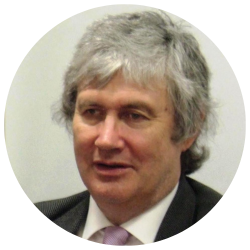 Dr Mike Beck
Dr Mike Beck qualified in Medicine at Liverpool University in 1972. He retired fully in 2008. He undertook his training in Dermatology at the Manchester Skin Hospital from 1977 and was appointed as Consultant Dermatologist in 1981. As a result he was the Instigator and Director of the Contact Dermatitis Investigation Unit for Greater Manchester and beyond and undertook general clinics in Bolton and Leigh.
He is an honorary member British Society of Cutaneous Allergy, having been a Committee Member since inception of the group in 1981 till 2008 and President 1992-1995. He was Honorary Clinical Lecturer Occupational and Environmental Health Research Group, University of Manchester 1992-2008; Council Member of European Society of Contact Dermatitis 1992-1995; Lead clinician for feasibility study and subsequently Steering Committee for EPIDERM (UK Occupational Dermatoses Surveillance) 1992-2008; Dermatological Adviser to the Ileostomy Association 1982-2001; Editorial Board Contact Dermatitis 2004-2008, Journal of Dermatological Treatment 1998-2008 and Exogenous Dermatology Journals 2002-2006.
He was President of the Dowling Club 2010-2011. He was made an Honorary Member Society of Occupational Medicine in 2006.
He has lectured worldwide and published extensively in the medical literature particularly on the subject of contact dermatitis.
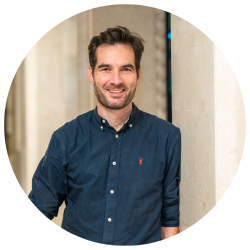 Professor Alastair Denniston
Professor Alastair Denniston is Chair of the UK’s National Commission into the Regulation of AI in Healthcare, an NIHR Senior Investigator, Professor in Regulatory Science and Innovation at the University of Birmingham, and a clinician at University Hospitals Birmingham NHSFT. He is Director of the UK’s Centre of Excellence for Regulatory Science and Innovation in AI & Digital Health (CERSI-AI), is a Member of the UK Government’s Regulatory Horizons Council and is Non-Executive Director to the UK’s Health Research Authority. He is passionate about supporting innovation in advanced digital and AI health technologies to accelerate the development of products that are effective, safe, and equitable, and that make a difference to people in the ‘real world’.
Thursday 2 July – Special Interest Group & Concurrent Sessions
Dr Dhruvkumar Laheru
Dr Laheru is a Consultant Dermatologist in the Thames Valley Region. Over his training in London, Oxford & Reading, he strongly enjoyed dealing with nail disease patients and their challenges. This lead to him undertaking further niche training in Brussels, Belgium and with Plastic surgeons in the UK. His current work includes optimising dressings following nail surgery. He holds a weekly nail clinic at the Royal Berkshire Hospital, Reading and enjoys seeing the wide variety of cases and challenges it brings. He is the Clinical Lead for Nail Disease on the British Hair and Nail Society (BHNS) Committee, assisting with Nail Grand Round Challenging cases brought by colleagues nationwide.
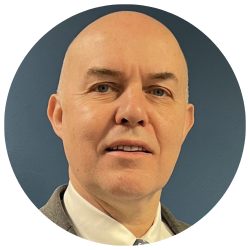 Prof John McGrath
John McGrath is a clinical-academic at St John’s Institute of Dermatology in London where he runs the Genetic Skin Disease Group. He holds the Mary Dunhill Chair in Cutaneous Medicine at King’s College London and is Honorary Consultant Dermatologist to the Guy’s and St Thomas’ National Health Service Foundation Trust. His expertise is in inherited skin diseases, discovering genes and testing experimental therapies to improve patient care. His research group discovered the genetic basis of more than 20 genodermatoses and has led on early phase clinical trials of cell and gene therapy. He has held several leadership positions within European dermatology including serving as President for the European Society for Dermatological Research and the European Dermatology Forum. He has published >600 articles, with an h-index of >100, and is the current editor-in-chief of the British Journal of Dermatology (2024-2029).